

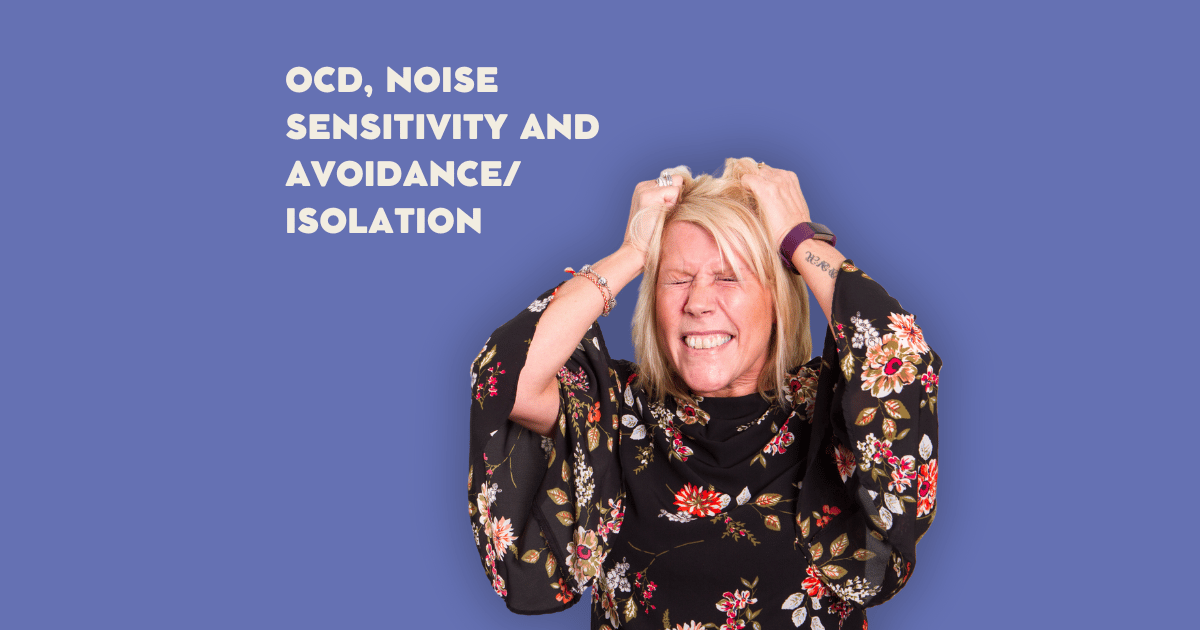
Traumatic Brain Injuries (TBIs) can have a wide range of effects on an individual's life, including various cognitive, emotional, and sensory challenges. In this blog post, we’ll discuss three common side effects of ABIs: OCD (obsessive-compulsive disorder), noise sensitivity, and avoidance/isolation. We’ll explain what these side effects are and how to recognise if you have them. We’ll also be giving you some coping skills and tools in our further blogs when we dive deeper into these common side effects.
OCD (Obsessive-Compulsive Disorder)
What is OCD?
OCD is a mental health condition characterised by recurring unwanted thoughts (obsessions) and repetitive behaviours or mental rituals (compulsions) performed in response to those thoughts. It can significantly impact daily activities and quality of life by forcing you to feel like you need to perform these behaviours. Some common types of compulsive behaviours include: cleaning and hand washing, counting, hoarding, and checking.
Recognising OCD:
- Intrusive thoughts that cause anxiety or distress.
- Engaging in repetitive behaviours or mental rituals to alleviate anxiety.
- Feeling compelled to repeat specific actions or count things excessively.
- Having a strong need for symmetry, order, or cleanliness.
“I noticed that Mark would fixate on things more since his brain injury. If we were going somewhere, he’d be constantly checking things before we’d leave, making sure I’d got something like an important document, even though he’d seen me pick it up. He’d also go over and over conversations with people at times and, even though an issue had been solved, he’d consistently seek reassurance that it had been done.” - Jules
Noise Sensitivity
What is Noise Sensitivity?
As the name suggests, noise sensitivity, is where an individual becomes extremely sensitive to noise. Even normal sounds that others may find tolerable can become overwhelming and cause extreme discomfort or pain. There are various noise conditions that you can experience. I have recently discovered that I have one called Exploding Head Syndrome.
“Exploding head syndrome is caused by the perception of loud noises usually when asleep. It can replicate an explosion, gunshot or crash of a symbol. These can alleviate a great deal of fear, confusion and distress in sufferers and I’ve certainly seen this in Mark. At times, he’ll shake and it’s feels like turbulence. Then suddenly he’ll jump up as if there’s the slightest of noises (or sometimes, no noise at all). After doing a bit of research, I found that this condition can be caused by damage to the temporal lobe and, Mark damaged his right lobe when he sustained his brain injury. So, this now makes a little more sense. There are also lots of other theories that fit including stress and anxiety, both of which Mark suffers from follow his TBI.” - Jules
Recognising Noise Sensitivity:
- Experiencing pain or discomfort in response to every day sounds like doorbells, alarms, or conversations.
- Feeling overwhelmed or anxious in loud or crowded environments.
- The need to use earplugs or headphones to minimise exposure to noise.
- Fatigue or heightened irritability due to continuous exposure to noise.
“At times, loud noises can seem louder and I have a low tolerance to multiple sounds. For example, sitting in a busy public place with lots of people talking at once combined with background music and perhaps the noise of a machine, can cause an overstimulation of my senses and lead to fatigue and even stress. Other struggles have included processing information quickly, especially if it’s been delivered quickly. My concentration and attention span can drop rapidly over a period of time and lead to fatigue. Also, multiple noises in the background remove my focus from a person who is talking right in front of me.” - Mark
Avoidance/Isolation
What is Avoidance/Isolation?
Avoidance and isolation are common side effects of acquired brain injuries. They involve withdrawing from social interactions and situations due to fear, anxiety, or difficulties in communication or cognition.
“Sometimes I’d be really gutted that Mark would miss family and friend’s parties and social gatherings because of the fear of noise. There would even be times when we’d be ready to go to something and he’d change his mind at the last minute. It was hard because then I’d either have to go along on my own and make an excuse or miss out altogether. He’d then end up beating himself up for missing out and this would lead to increased anxiety.” - Jules
Recognising Avoidance/Isolation:
- Preferring to spend extensive amounts of time alone rather than engaging in social activities.
- Avoiding situations or places that may trigger anxiety or discomfort.
- Feeling a sense of isolation or disconnection from others.
- Difficulties initiating or maintaining conversations or relationships.
“I still get nervous going to a busy event, like a party or gathering, especially if I know lots of people will want to chat. Having conversations in a noisy place or taking in lots of information can lead to fatigue. However, I feel now more comfortable explaining the situation to others now and suggesting that perhaps we move to a quieter part of the room.” - Mark
Do you suffer from any of these brain injury side effects?
If you or someone you know experiences any of these side effects, then please seek support and sign up to our webinar. Throughout our webinar programme, we will be discussing different brain injury side effects and ways to manage them. However, if you would like to discuss your symptoms with me, Mark, my wife Jules, or someone else that has been or is going through it, please join our Facebook community and ask away.
If you’d like to know more about these side effects, learn some coping mechanisms and tools, you can do this via our podcast, webinars and online programmes.